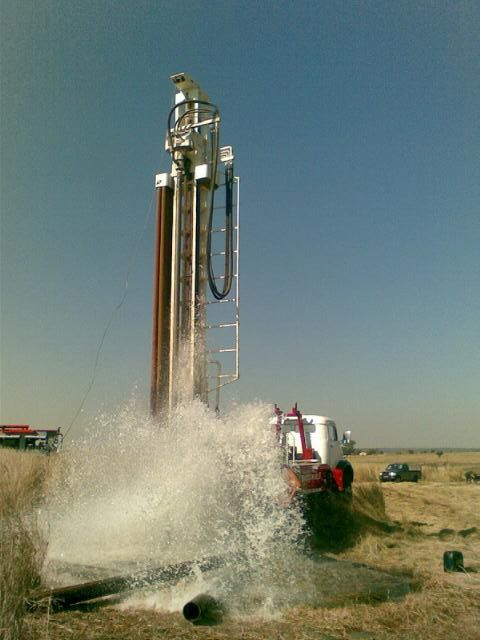
Behind every metre a borehole advances, two components are doing the heavy lifting: the drilling rod and the hammer drill. Together they transmit power, rotation, and percussive force from the rig down to the bit — and their quality shapes almost everything about how a drilling operation performs.
The Role of the Drilling Rod
Drilling rods connect the rig to the drill bit, carrying rotation, downward pressure, and drilling fluid or air down the hole. As the borehole deepens, rods are added one at a time, so consistency between rods matters — mismatched or worn rods introduce vibration, misalignment, and unnecessary wear on the whole string.
Signs of a quality drilling rod:
Straight, true alignment with no visible bends or pitting
Threads that connect cleanly without excessive play
Consistent wall thickness for even wear over time
The Role of the Hammer Drill
The hammer drill (often paired with a down-the-hole hammer) delivers the percussive force that breaks up hard rock and compacted ground. A well-maintained hammer drill keeps drilling speed steady and reduces strain on the rod string and bit above it.
Why this pairing matters:
Faster progress through hard or mixed ground conditions
Reduced risk of rod breakage or stuck drilling strings
More predictable project timelines for contractors and clients
Our Take
CNK Establishment supplies genuine drilling rods and hammer drill components built to handle demanding field conditions, along with the technical guidance to match them correctly to your rig and bit size.
Need the right equipment for your next borehole project? CNK Establishment supplies water drilling equipment, spare parts, and accessories for contractors, NGOs, government agencies, and developers across Africa. Get in touch for a quote or a parts catalog today.
CNK Establishment — Drilling Excellence, Delivered.
Reliable. Quality. Built for the Field.